Real estate in Sweden has quietly become one of the more interesting luxury markets in Europe. No skyscraper penthouses shouting for attention, no Monaco-style price insanity. What you get instead is restraint, serious build quality, and access to a kind of nature most countries simply cannot sell you at any price. I have spent the last few years following this market closely, and the gap between what international buyers expect and what they find here is still surprisingly wide. So this guide is my attempt to close it.
Why Sweden draws luxury buyers at all
Ask ten wealthy buyers why they looked at property in Sweden and you will get roughly the same three answers. Nature and space, first. Sweden has 100,000 lakes and an archipelago outside Stockholm with around 30,000 islands, many of them privately owned. Second, privacy. Swedes are famously unbothered by their neighbors, which rich people tend to appreciate more than they admit. Third, stability. Property rights are rock solid, the currency is manageable, and there is no culture of predatory local pricing aimed at foreigners.
The summer light is the part nobody can explain in a spreadsheet. From late May through July in Stockholm the sun barely sets. If you have ever sat on a dock in the a
 rchipelago at 11 pm in full daylight with a glass of Barolo, you understand why people buy after one visit. I did exactly that in 2019 and it ruined me for Mediterranean summers, at least a little.
What luxury actually costs in this market
Luxury here is not a penthouse product the way it is in London or New York. It is square meters, water, and land. Here is a rough map of the numbers as of the last year or two, based on listings I track on Hemnet (the dominant portal, by the way, and where you should start too).
| Property type | Typical price range (SEK) | Roughly in EUR |
|---|---|---|
| Top-floor apartment, Östermalm, Stockholm | 12-25M | €1.05-2.2M |
| Waterfront villa, Djursholm or Lidingö | 15-35M | €1.3-3.1M |
| Archipelago island property | 8-40M | €0.7-3.5M |
| Ski chalet, Åre | 10-30M | €0.9-2.6M |
| Estate/castle with land, Skåne or Uppland | 20-60M+ | €1.8-5.3M+ |
Compare that to, say, a decent house in Verbier or a sea-view villa in Cap Ferrat, and the value argument writes itself. You give up winter warmth, sure. You get a country where a 40M SEK purchase makes you a genuinely significant landowner rather than just another buyer in a crowded postcode.
Stockholm versus the archipelago versus Åre
Stockholm
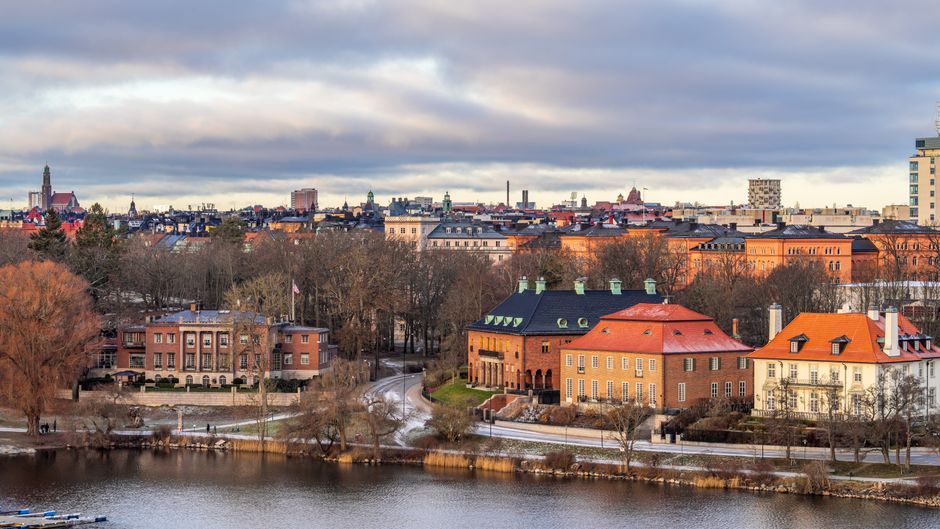
Östermalm is still the trophy district. Narvavägen, Strandvägen, Karlavägen. Expect 120,000-180,000 SEK per square meter for the best addresses, and do not expect much new supply, because nobody is knocking down 19th-century stone buildings. Vasastan and Kungsholmen offer better value if you still want central walking access. The downtown premium has softened a bit since the 2022 rate hikes, which, frankly, is when I started telling clients to look seriously again.
The archipelago
This is the emotional purchase. Sandhamn, Saltsjöbaden, Gustavsberg, or the wilder outer islands like Möja and Finnhamn. The catch is practical: some islands have no car access, some have no year-round ferry service, and heating an old timber house through a Swedish winter costs real money. Inspect the septic system and the ice road situation before you fall in love. I have watched two separate buyers discover after closing that their dream island is effectively unreachable for six weeks each spring.
Åre
Sweden’s alpine town, and the closest thing this country has to a Verbier dynamic, though friendlier and cheaper. Chalets near the lifts run at a steep premium to the town average, and the short rental season (Christmas, sportlov in February, Easter) is what carries the yields. If you want a rental-income property rather than a pure lifestyle buy, run the numbers carefully, because summer in Åre is gorgeous but quiet on the revenue side.
How the buying process actually works
Foreigners can buy property in Sweden freely. No restrictions, no golden-visa hoops, no local-partner requirement. That alone puts Sweden ahead of half of Europe for international buyers. The process runs through a licensed estate agent (mäklare), and it is fast by international standards.
- Register interest and view. Agents deal with foreigners constantly in the luxury segment, usually in English.
- Make an offer. Offers are technically non-binding until the contract is signed, but walking away after acceptance is considered genuinely bad form and will follow you around in a small market.
- Contract signing, usually within days. A 10% down payment is standard.
- Completion, typically 2-8 weeks later. There is no escrow limbo like in the US; the agent’s client account handles the money.
Total transaction costs are refreshingly low. Transfer stamp duty is 1.5%, plus a fixed fee of 825 SEK, and agent commission sits around 3-5% paid by the seller. Compared to 7% plus notary costs in France, this is one of the cheapest luxury purchase regimes in Europe. There is a mandatory homeowners’ association fee for apartments (avgift) that covers the building, so check the finances of the association before bidding, not after.
The tax situation, honestly
Now the less charming part. Annual property tax is capped at a low percentage, which is fine, but if you buy within a limited company structure, the 2007 rules changed everything: corporate-owned dwellings get taxed heavily, which killed off the old LLC loophole. Most luxury buyers now hold property personally. Capital gains on resale are 30% of the profit, with rollover relief if you buy a new primary residence. Rental income is taxed as ordinary income at your marginal rate.
None of this is hostile. It is just not a tax haven, and anyone selling Sweden to you as one has not read the rules since 2006. Get a Swedish tax advisor before you structure anything, not after.
Should you actually do it?
My honest take: Sweden is a lifestyle buy, not a speculative one. Prices in Stockholm rose hard from 2015 to 2021, dropped roughly 10-15% when the Riksbank pushed rates up, and have since stabilized without a dramatic recovery. You are not going to flip a Djursholm villa for 40% in three years. You are going to own a well-built house on water, in a functioning country, with clean title and low carrying costs, and your kids will fight over it in the will. That is the deal on offer.
One last practical note. View in both summer and winter before committing to anything remote. The house that feels magical in July can feel like a logistics exercise in January. Buy the one you love in both seasons, and you will not regret the paperwork.