Shopping for real estate in Nice France is a different game than it was five years ago. Prices climbed, cooled, then climbed again, and the city now sits firmly behind Paris as the second most expensive major market in the country. I have watched buyers walk away from deals over quirks a good local agent would have flagged in an afternoon, and I have watched others pick up sea-view apartments for 8 percent under asking. The difference is almost never budget. It is homework. So here is the homework, condensed: what things cost, where the smart money goes, and the process details that trip up foreign buyers every single year.
What €1 million actually buys right now
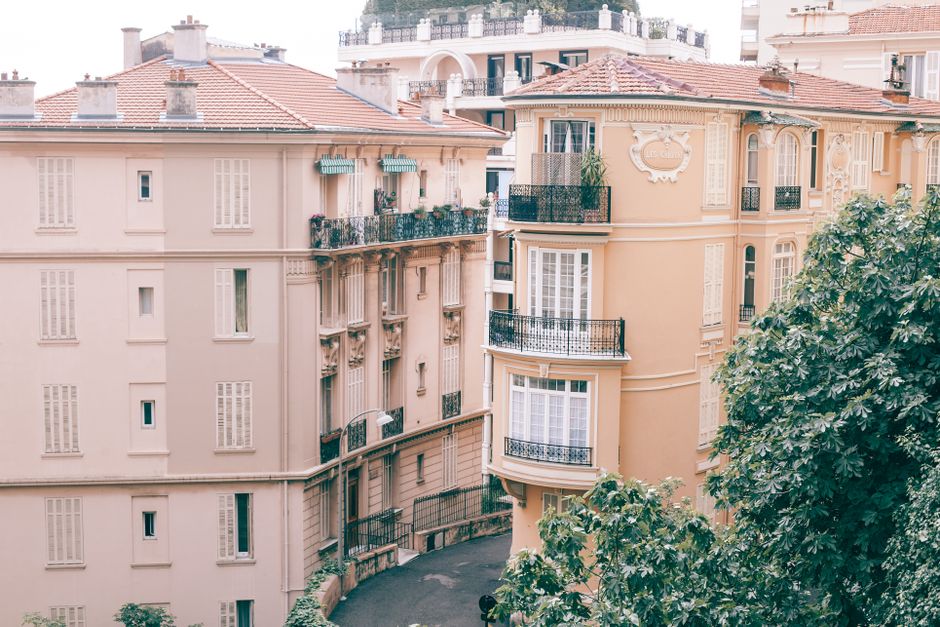
The average price per square meter across Nice sits around €5,400 based on late-2024 notary data. That number hides an enormous spread. A solid 1980s three-bedroom near the Palais des Expositions trades close to €4,800 per square meter. Two kilometers away, on the Promenade des Anglais with the Mediterranean in your face, you are looking at €10,000 to €14,000 per square meter, and more for a genuine penthouse floor.
So what does €1 million get you? Realistically, one of three things. A renovated 85 to 95 square meter apartment with a balcony and a partial sea view in the Carré d’Or. An older two-bedroom on a high floor that needs €80,000 of work. Or a small villa with a garden in the hills behind the airport. I would push most buyer
 s toward the first option, because the renovation route eats calendar time in France, permits and reliable builders being what they are. A realistic timeline from first visit to keys is three to six months. Plan for six.
Where to buy: the districts worth a shortlist
| District | Price per m² (2024/25) | Best for |
|---|---|---|
| Carré d’Or | €6,500 – 9,000 | Apartments, walk-everywhere lifestyle |
| Mont Boron / Cap de Nice | €7,000 – 11,000 | Villas, quiet, big terraces |
| Cimiez | €5,500 – 6,800 | Belle Époque buildings, gardens |
| Vieux Nice | €4,800 – 6,000 | Character, rental income |
| Libération / Nice Est | €4,000 – 5,000 | Value, tram access, local life |
Carré d’Or, if you want the classic
This is the golden rectangle between the Promenade, the old town and the train station, and it is where most luxury demand lands. You pay for the address and the walkability. The tradeoff is noise and small floor plans, since much of the stock is Haussmannian and pre-war. A good 70 square meter two-bed with a sliver of sea view starts around €550,000 and climbs fast from there.
Mont Boron, if you want space
East of the port, up on the hill. This is villa country, olive groves, 1920s stone houses, and some of the best terraces on the entire Riviera. You are 20 minutes from the old town by car, which is exactly the point. Families and privacy buyers do well here. Anything with an unobstructed view carries a serious premium, often 30 percent over the same house a street back.
Cimiez and the smarter-value picks
Cimiez has the grand old buildings, the monastery gardens and the Matisse museum, at prices 20 percent below the Carré d’Or for comparable floor area. If your budget is under €500,000, look at Libération and Nice Est instead. Both sit on tram lines that reach the center in under 15 minutes, and both have seen steady price growth since the tram extensions opened. Real estate in Nice France is increasingly a tram-line story, and buyers who ignore that are leaving money on the table.
How the purchase actually works
France protects the buyer more than most countries, but the sequence matters. Here is the short version:
- Make a written offer through the agent, stating price and any conditions (mortgage, works to verify). It becomes the basis of negotiation but is not yet binding.
- Sign the preliminary contract and pay a 5 to 10 percent deposit, held by the notary. You then get a statutory 10-day cooling-off period. Yes, you can still walk away during it.
- The notary runs title checks, planning searches, debt checks on the property, and reviews ten years of co-ownership meeting minutes.
- Eight to twelve weeks later, you sign the final deed in person or by power of attorney. Funds must usually land the day before. You get the keys that afternoon.
One tip most guides skip: you are entitled to your own notary at no extra total cost, since the fee is split when there are two. If the seller’s side suggests using theirs, politely insist on your own anyway.
The costs that surprise foreign buyers
The sticker price is not the real price. I tell every client to budget asking price plus 8 percent, minimum. Here is where it goes:
- Notary and transfer fees: roughly 7 to 8 percent on a resale, about 2 to 3 percent on a new build. Most of that is tax, not the notary’s fee.
- French wealth tax (IFI): 0.5 to 1.45 percent annually on real estate holdings above €1.3 million. Non-residents rarely get the primary-home exemption, so this one bites luxury buyers specifically.
- Annual property tax: expect €4,000 to €7,000 a year on a €1 million central apartment. Ask for the seller’s last bill before you commit.
- Rental compliance: seasonal letting requires a registration number, and many buildings have voted to ban it entirely. Check before you buy with income in mind.
- Capital gains on resale: non-residents pay 19 percent plus 17.2 percent social charges, with tapering allowances after year six of ownership.
Renting it out, with honest numbers
A well-located two-bedroom in the Carré d’Or rents long-term furnished for €2,200 to €3,000 a month. Run those numbers against purchase prices and you get gross yields of 3 to 3.5 percent. Seasonal letting does better on paper, €250 to €400 a night for a good sea-view two-bed in July, but management takes 20 to 25 percent and the city has tightened rules since 2019. Net, most owners land at 2.5 to 3 percent.
My honest take: buy real estate in Nice France for the lifestyle and the long-term capital story, not for cash flow. This is a place you use. Anyone pitching it as a yield investment is selling you something.
Three mistakes I see every single year
- Skipping a structural survey. France has no mandatory buyer survey, and the legal diagnostics are ordered by the seller. On any building pre-1970, spend €400 to €700 on your own survey. It is the cheapest insurance you will ever buy.
- Visiting only in summer. Nice in February is a different city. The light is flat, the mistral blows, half the restaurants shut. Go twice, in different seasons, before you sign anything.
- Ignoring the building’s health. Ask for the last three years of co-ownership accounts and minutes. A roof with issues means a special levy of tens of thousands per owner, and a weak sinking fund tells you the owners have been deferring maintenance for years.
Quick answers to the questions I get most
Can foreigners buy property in Nice?
Yes, with no restrictions at all. Foreign buyers have the same legal rights as French citizens, and no visa or residency status is required. Owning property does not grant residency either, which surprises people.
Is Nice still cheaper than Paris?
Roughly half the price per square meter, on average. Paris trades near €10,000 per square meter; Nice sits around €5,400. Given the climate and the airport (France’s second busiest, with direct flights across Europe and to New York), plenty of people think that gap is the anomaly.
The short takeaway: budget the asking price plus 8 percent, visit twice in different seasons, and read the building minutes before you fall in love with the view. Do those three things and you are already ahead of most buyers entering this market.