I spent a week last spring walking around Luxembourg City with a local agent, and I came away with one firm conclusion: real estate in Luxembourg is expensive in a way that surprises even people from Geneva and Monaco. A modest three-bedroom house in a good district can easily pass €1.5 million. Meanwhile, the market has cooled since the frantic years of 2019 to 2021, which is actually good news for buyers with patience. This guide covers current prices, where to look, what taxes to expect, and the mistakes I keep seeing foreigners make.
How expensive is property in Luxembourg right now?
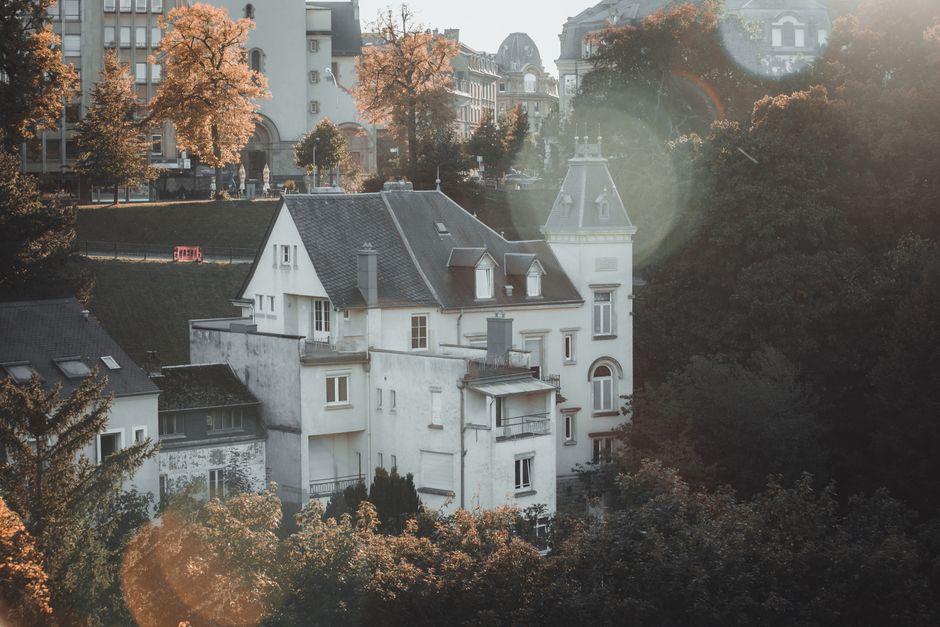
The numbers have shifted. After peaking in 2022, average national prices dropped by roughly 8 to 12 percent through 2024, depending on the segment. Apartments that once averaged around €9,000 per square meter in the capital now trade closer to €8,200. Houses fell harder in some commuter zones, with discounts of 15 percent off peak asking prices.
Do not mistake that for a crash. Luxembourg remains one of the wealthiest countries per capita on earth, household deposits are enormous, and there is a chronic housing shortage. The state itself estimates a shortfall of tens of thousands of units. Supply is tight, financing costs have eased since the European Central Bank started cutting rates in 2024, and transaction volumes are recovering. My read: this is a window, not a fire sale.
Rough current figures to anchor your expectations:
- Apartments in Luxembourg City: €7,500 to €11,000 per square meter, with the upper end in Belle Époque buildings in Limpertsberg and villas converted into units.
- Modern family houses near the city (Strassen, Sandweiler, Walferdange): €1.2 to €1.8 million.
- Waterfall-grade
 properties in Villa Vauban-style districts or Ueckange in the north: €2.5 to €5 million plus.
- Rural communes in the Ardennes (Clervaux, Wiltz): houses from €500,000, and yes, they still exist.
Which districts are worth your money?
Luxembourg City is small by capital standards, around 130,000 residents, yet the price differences between districts are dramatic. I would not buy blind anywhere here.
Old town and Grund
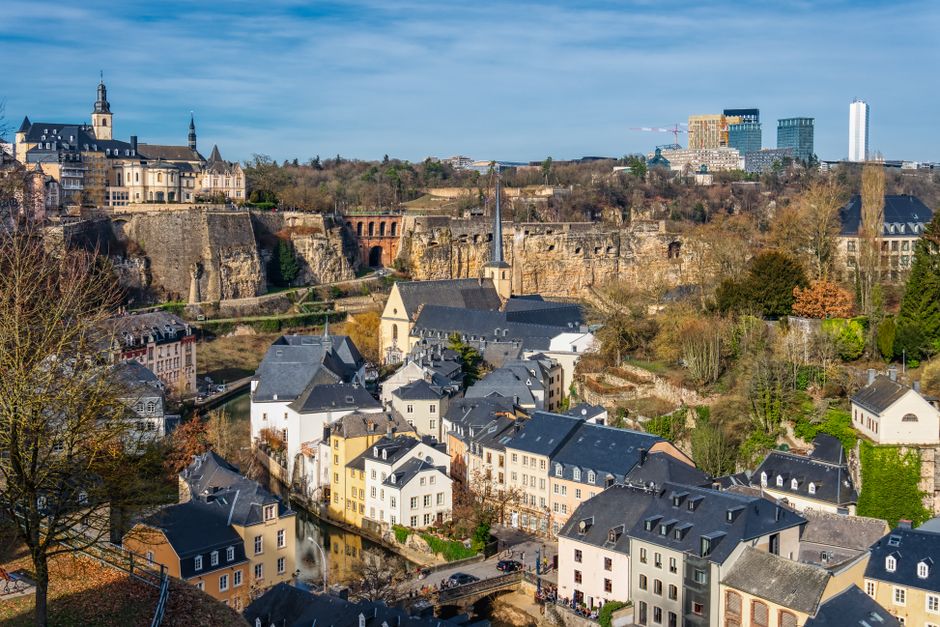
The UNESCO-listed old town is beautiful and rarely available. The Grund below, with its stone houses along the Alzette river, trades around €10,000 to €12,000 per square meter when something appears. Views of the Bock casemates command a premium. Stock is thin and renovations are often restricted, which protects value but limits options.
Limpertsberg and Belair
These are where bankers and fund executives actually live. Limpertsberg has 19th-century townhouses, mature plane trees, and quick walks to the city center. Belair is quieter and slightly greener. Both sit around €9,000 to €10,500 per square meter. If I were buying a family apartment with a budget near €1.5 million, I would start here before looking anywhere else.
Kirchberg
The European institutions district. Glass towers, the Philharmonie, Mudam museum, and a growing residential base. Prices are high for new builds, around €9,500 to €11,000 per square meter, and I find the neighborhood a bit sterile on weekends. Fine for a pied-à-terre, less charming for a family. Some buyers love the convenience, and they are not wrong, but it lacks soul compared to the older quarters.
Beyond the city
The commuter belt changed after Luxembourg made all public transport free in 2020. Trains from Mersch or Bettembourg reach the center in under 25 minutes, and prices drop 20 to 35 percent. Cross-border buyers from Belgium and France have noticed, so the discounts are shrinking in the closest communes. Go one ring further out, toward Ettelbruck in the north or Remich on the Moselle, and value improves sharply.
What does the buying process look like?
The process is orderly and not particularly fast. Once you sign a compromis de vente (preliminary agreement), the buyer typically pays a deposit of around 10 percent into an escrow account. Notary completion follows two to three months later. Financing must be arranged before the compromis, because pulling out afterward usually costs you the deposit.
Mortgage rates in 2025 hover around 3.3 to 3.9 percent for 20-year fixed terms at banks like BGL BNP Paribas, Spuerkeess (the state savings bank), and ING Luxembourg. Belgian buyers often bring their own financing across the border, and French banks sometimes compete. Lending criteria are strict: banks generally want the monthly payment under a third of net income, and they will scrutinize existing debt.
How much are the taxes and fees?
This is where buyers from abroad get caught out. Registration duty in Luxembourg is high, though there are meaningful reliefs for owner-occupiers.
| Item | Approximate cost |
|---|---|
| Registration duty (transfer tax) | 7% (6% tax plus 1% transcription), reduced rates for primary residences |
| Notary fees | Roughly 1.1% of price plus €500 to €1,000 in disbursements |
| Real estate agent fee | Usually paid by seller, 3 to 5% (occasionally shared) |
| Annual property tax | Modest, €300 to €700 for typical homes |
| Wealth tax on property | 0.5% on net property assets above €500,000 (per person) |
On a €1.5 million purchase, budget roughly €120,000 for duties and notary costs if you do not qualify for the reduced primary-residence rates. That number deserves a place in your spreadsheet from day one, not at the end of the process.
Is Luxembourg property still a good investment?
Honest answer: as a pure capital-gains play, the easy money has been made. Prices rose by more than 80 percent between 2010 and 2021, and nobody serious expects that to repeat soon. Rents, however, are strong. Gross rental yields run 3 to 3.5 percent in the capital and can reach 4.5 percent in the north, and tenant demand from EU staff, finance professionals, and cross-border workers stays constant.
Tenants here pay reliably, eviction for non-payment is slow but eventually effective, and vacancy is close to zero in decent locations. For a conservative, income-focused buyer, that profile is hard to beat in Western Europe. For a flipper, I would look elsewhere.
One more angle worth knowing: new-build rentals under the 2024 rules on rent indexing got capped in certain zones, so older properties with below-market leases have become more interesting to investors. I did not expect that twist a few years ago, but here we are.
What mistakes do foreign buyers keep making?
After enough conversations with notaries and agents, the same errors repeat:
- Assuming Brussels or Paris rules apply. Luxembourg contract law is its own thing, and verbal promises count for nothing.
- Underestimating transaction costs, especially the wealth tax kicking in above €500,000 of net property assets per person. A couple is assessed separately, which helps.
- Buying in Kirchberg or Cloche d’Or at new-build prices without visiting at 9 p.m. on a Sunday. Some zones empty out completely.
- Skipping a full structural survey because the building ‘looks solid’. Older houses in the Minette region, former steel towns like Esch-sur-Alzette, can hide serious issues.
- Ignoring the 2020 zoning plans (PAG) for the commune. What you can build, extend, or demolish depends on local plans that change slowly but do change.
Practical takeaway
If you are serious about buying in the Grand Duchy, line up financing first, pick your district by how you actually live (schools, train line, weekend atmosphere), and hold back a full 10 percent buffer for duties and notary work on top of the deposit. The market has come off its peak, credit is cheaper than in 2023, and supply in the prime districts is still thin. That combination favors prepared buyers over opportunists. Get a local notary involved before you sign anything, not after.