I get asked about real estate in Iceland for sale more often than you’d think, and usually the conversation starts the same way: someone watched a documentary about black sand beaches, fell in love with the Westfjords on Instagram, and now they want a price. Fair enough. I’ve spent enough time trawling Icelandic listing sites (and visiting a few properties I absolutely could not afford) to give you a realistic picture of what’s on the market, what it costs, and where the good stuff hides.
One thing up front. Iceland does not have a huge inventory. The whole country has roughly 380,000 people, and at any given moment there might be a few thousand residential listings across the entire nation. That scarcity shapes everything about buying here, and it’s why the process feels different from browsing listings in Spain or Portugal.
Where Do You Actually Find Real Estate in Iceland for Sale?
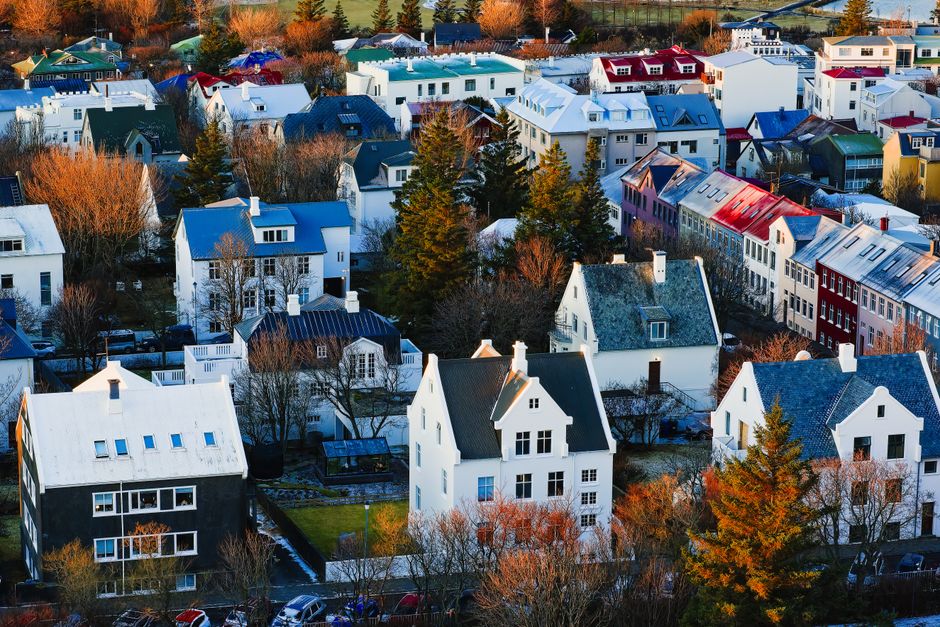
Iceland never really developed one dominant Zillow-style portal. Instead, buyers work across a handful of sites, and honestly you need to check several of them to see the full picture.
- Fasteignir.is – run by the Icelandic real estate association, probably the closest thing to a national MLS. Most licensed agents post here.
- Mbl.is/fasteignir – the property section of Morgunblaðið, the country’s biggest newspaper. Lots of listings, decent search filters.
- Hus.is – another well-used portal, particularly strong for the capital area.
- Tvisongur.net – smaller, but sometimes has rural and coastal properties the big sites miss.
- Eignamagn.is – aggregates listings and gives useful price-per-square-meter data.
If you don’t read Icelandic, fire up your browser’s translate function. A few of these sites have English toggles, but the complete listings are usually in Icelandic, an
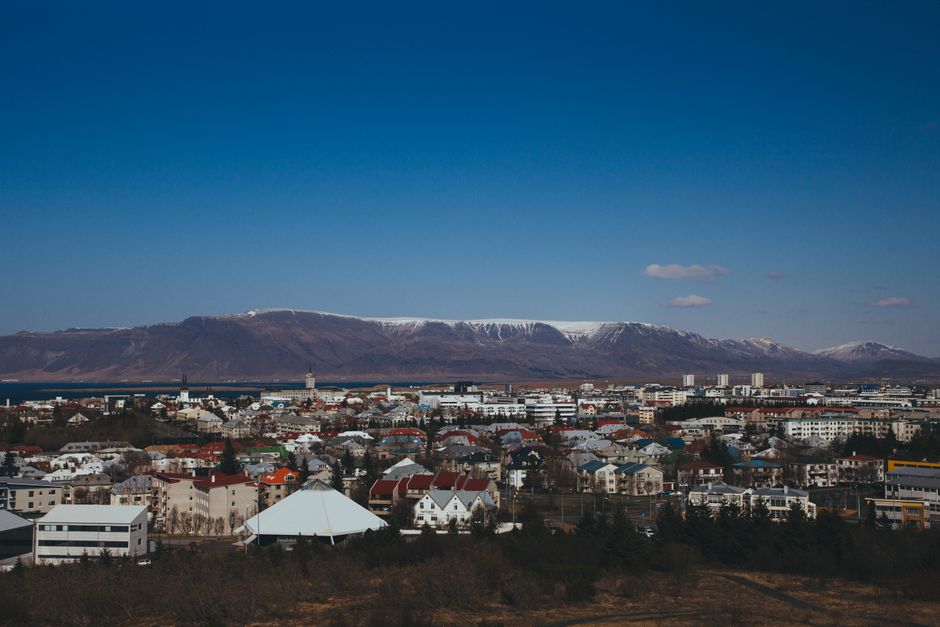 d translating them is genuinely worth the effort. I once found a 1930s timber house in Stykkishólmur for around 42 million ISK (roughly $300,000) that never appeared anywhere English-language sites picked up.
What Does Icelandic Property Actually Cost?
Prices split sharply between the capital region and everywhere else. Reykjavík and its suburbs (Kópavogur, Garðabær, Hafnarfjörður) hold about two-thirds of the country’s population, and that’s where the demand is.
| Area | Typical price per m² | Notes |
|---|---|---|
| Reykjavík (central 101/105) | 800,000–1,000,000+ ISK | Older apartments, high demand, small units |
| Reykjavík suburbs | 550,000–750,000 ISK | Family houses, townhouses |
| Akureyri | 450,000–600,000 ISK | North’s capital, solid rental potential |
| Westfjords / rural Iceland | 200,000–400,000 ISK | Beautiful, remote, sometimes shockingly cheap |
Converted to dollars, that means a decent 90 m² apartment in central Reykjavík runs $580,000 to $700,000, while the same money in the Westfjords buys a large detached house with an ocean view and sheep for neighbors. I have mixed feelings about those cheap rural listings, though. A property at 250,000 ISK per square meter in a village of 300 people can sit on the market for two years. You’re trading price for liquidity, and you should know that going in.
Can Foreigners Buy Property in Iceland?
Yes, with conditions, and this part matters.
EU, EEA, and EFTA citizens (so that includes Americans, Brits post-Brexit under the EEA agreement’s continuity arrangements for UK nationals who lived in Iceland before 2021, Canadians, Australians and most other non-EU nationals via the general permit route) generally need permission from the Ministry of Justice for certain property types. In practice, the rules distinguish between urban residential property and rural or undeveloped land.
The two categories
- Urban property in designated zones – EEA citizens can buy freely. Non-EEA citizens (US, UK, Canada and others) need a residence permit in Iceland first, or a special exemption, which in practice means you must be relocating.
- Rural land, farmland, and land outside urban zones – much stricter. Ownership usually requires Icelandic residency, and agricultural land has additional rules protecting farming communities.
This catches people out constantly. That dream plot beside a waterfall in the highlands? Probably classified as rural land, and without Icelandic residency you likely can’t own it. Talk to a local lawyer before you fall in love with anything outside a town boundary. A property attorney in Reykjavík will charge somewhere between 200,000 and 400,000 ISK for handling a purchase, and it is money well spent.
Is It a Good Investment?
Honest answer: it depends on what you want it to do.
Tourism is the strongest argument. Iceland received around 2.2 million visitors in 2023, well over five times its own population, and short-term rental demand in Reykjavík, the South Coast, and around Akureyri stays intense from May through September. A well-located apartment bought for 70 million ISK can gross 6–9 million ISK a year on Airbnb if you manage it properly. Net yields after management fees, cleaning, and the heavy seasonal swings land more realistically around 4–6%.
Long-term appreciation has been solid but bumpy. Prices in the capital region rose sharply after the 2008 banking collapse bottomed out, then again post-2015, though 2023 and 2024 brought a genuine cooldown tied to interest rates. The Central Bank rate sat above 9% for a stretch, which cooled both buyers and the rental investor crowd. Mortgage rates for locals are typically indexed to inflation, which is a structural quirk foreign buyers find alien (and honestly, a bit alarming the first time you see it).
If you’re buying a luxury property as a lifestyle base, a summer house near Vík or Húsavík, or a modern glass box overlooking the harbor in Reykjavík’s Grandi district, then treat investment return as a bonus rather than the thesis. The best Icelandic properties I’ve seen were bought by people who wanted to be there, not people running spreadsheets.
What Fees and Taxes Should You Budget For?
Iceland is not a high-transaction-cost country compared to, say, France or Belgium. Still, budget carefully.
- Property transfer tax: 1.5% of the purchase price (raised from 0.8% in recent years for most buyers, with a reduced 0.8% rate remaining for first-time buyers of their own home under value thresholds).
- Legal/registration fees: roughly 150,000–400,000 ISK depending on complexity.
- Agent commission: paid by the seller in Iceland, so as a buyer this usually doesn’t hit you directly. It does get baked into the price, indirectly.
- Inspection and condition reports: 60,000–120,000 ISK. Older Icelandic houses stock has quirks, so don’t skip this.
- Annual property tax: municipal, generally 0.15–0.45% of assessed value depending on the municipality.
As a rough rule, add 2.5–3% on top of your purchase price for total transaction costs. Stamp duty and notary fees that plague other European markets mostly don’t exist here in that form.
What Should Foreign Buyers Watch Out For?
A few things I wish someone had told me earlier.
First, Icelandic housing stock is young in the towns and old in the countryside. Concrete and steel-frame construction became standard after a devastating 1974 era of building-code overhauls (driven by earthquake and weather exposure), but pre-war timber houses in fishing villages often carry maintenance surprises. Damp, specifically. The climate is wetter than it looks in photos.
Second, heating matters more than you’d expect, and it’s mostly a non-issue, which is a genuinely lovely surprise. Around 90% of Icelandic homes are heated by geothermal district heating, so utility bills that would crush you in Norway or Canada can run under 15,000 ISK a month for a family house. That geothermal system is invisible in listing photos but it changes the economics of ownership.
Third, don’t buy sight unseen in winter and judge the property in summer, or the reverse. Daylight swings from near-24-hour sun in June to four hours in December. A house that feels bright and airy in your July viewing might feel like a cave by Christmas. Ask about window orientation. Ask about wind exposure, too, because certain hillside suburbs of Reykjavík catch weather that locals complain about by name.
The Short Version
If you’re serious about real estate in Iceland for sale, set up alerts on Fasteignir.is and Mbl.is, sort out your residency situation before shopping for anything rural, and budget roughly 3% for transaction costs. The market is small enough that the right property appears and disappears within weeks, so being ready to move, with a lawyer and financing already lined up, beats months of casual browsing. The buyers who succeed here are the ones who treated a 380,000-person island like what it is: a tight local market, not a bargain bin.