Searching for a luxury hotel near me for dinner with family usually produces two kinds of results. On one side, celebrity-chef temples where a six-year-old in sneakers gets polite side-eye from the maître d’. On the other, bland hotel buffets that smell like a conference break. Neither is what you had in mind. The good news is that Germany has a genuine middle ground, hotel dining rooms that take food seriously while still handing your kid a proper menu with crayons. I have eaten through a fair number of them, from Munich to Hamburg, and this guide covers what a realistic budget looks like, which cities do it best, and how to get a table on a Saturday without a six-week wait.
What does dinner at a luxury hotel in Germany actually cost?
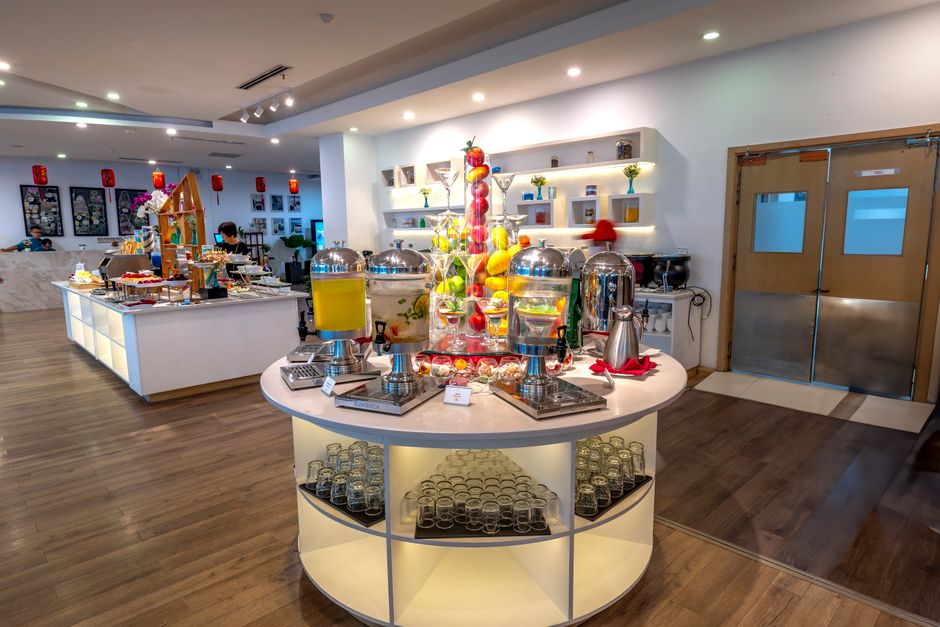
Let’s talk numbers first, because ‘luxury’ is a vague word and your wallet deserves specifics. At a five-star hotel restaurant in a German city, a three-course dinner for adults typically runs between 65 and 120 EUR per person. Wine pairing adds another 50 to 90 EUR if you go the full route. That sounds steep until you compare it to standalone fine dining in Berlin or Frankfurt, where tasting menus alone start around 145 EUR and the portions are smaller.
The real advantage for families is the pricing on the kids’ side. Most luxury hotel restaurants in Germany offer a children’s menu between 18 and 25 EUR, and many will do a half-portion of an adult main for around 30 to 40 EUR. Sunday brunch is a different animal entirely: expect 75 to 95 EUR per adult, with kids under 6 often eating free and kids up to 12 at roughly half price. The Brenners Park-Rotel in Baden-Baden and the Fairmont Vier Jahreszeiten in Hamburg both run family-friendly brunches along those lines.
| City | Adult 3-course dinner | Kids’ menu | Reserve in advance |
|---|---|---|---|
| Berlin | 75-130 EUR | 20-28 EUR | 1-2 weeks |
| Munich | 70-120 EUR | 18-25 EUR | 2-3 weeks |
| Hamburg | 65-110 EUR | 16-22 EUR | 1 week |
| Frankfurt | 60-105 EUR | 15-20 EUR | 3-5 days |
| Düsseldorf | 60-100 EUR | 15-22 EUR | 3-5 days |
How do I actually find the right hotel restaurant near me?
A search for ‘luxury hotel near me for dinner with family’ is a decent start, but the results get muddy fast. Booking platforms push whoever pays for placement, and Google’s ‘family friendly’ filter mostly catches play areas and kids’ clubs, which is not the same thing as a dining room you would enjoy yourself. So here is the process I use, and it has rarely failed me.
- Open Google Maps and search ‘Grand Hotel’ or ‘five-star hotel’ rather than ‘restaurant’. Hotel dining rooms are attached to the hotel listing, which gives you honest photo reviews from actual diners, not just the hotel’s marketing shots.
- Read the newest reviews first, and look for the words ‘celebration’, ‘birthday’ and ‘anniversary’. Rooms that handle those well tend to handle a boisterous family of five well too.
- Check the restaurant’s own website for two things: a children’s menu (not just ‘we can arrange something’) and a stated dress code. ‘Smart casual’ means you are fine; ‘jacket preferred’ means your teenager will be counting minutes until dessert.
- Call directly. This matters. Ask for a corner table or a banquette, away from the center aisle. Phone reservations also let you flag dietary needs in advance instead of negotiating them with the waiter at 7 pm.
Which German cities do family luxury dining best?
Berlin
The Adlon Kempinski on Unter den Linden is the obvious name, and honestly it earns the reputation for celebrations. What fewer people know is that its more casual restaurant, facing the Linden boulevard, is where families actually eat. Prices are Berlin-typical, the service is professional without being stiff, and the location next to the Brandenburg Gate means you can walk off dessert with a proper evening stroll.
Munich
The Bayerischer Hof is my personal favorite for this exact brief. The atrium restaurant has enough space between tables that a dropped fork does not become a scene, the Bavarian-French menu has dishes kids recognize (proper schnitzel, not a deconstructed science project), and it sits right on the Promenadeplatz. In December, book two months out. Everything near the Christkindlmarkt fills up.
Hamburg
The Fairmont Vier Jahreszeiten on the Alster handles multigenerational groups better than almost anyone. Grandparents get their white-tablecloth standards, the kitchen flexes on allergies, and the lake view does half the entertaining for you. If you are planning a birthday dinner for ten people, this is where I would start.
Frankfurt and Düsseldorf
Both are underrated and, as the table above shows, noticeably cheaper than Berlin and Munich. The Villa Kennedy in Frankfurt has a quiet courtyard that absorbs noise, and Düsseldorf’s Breidenbacher Hof sits two minutes from the Königsallee if you want to combine dinner with a bit of shopping beforehand. Frankly, the service in these two cities is often warmer than in the bigger names, maybe because the staff are less flooded with tourists.
Do you have to be a hotel guest to eat there?
No, and this surprises people. Outside guests are welcome at essentially every luxury hotel restaurant in Germany; the dining rooms are run as standalone profit centers. You do not need a room key, and nobody will ask. What you occasionally need is patience with the good tables. Hotel guests sometimes get priority booking windows, and big conference groups can swallow capacity without warning. This is one more reason to call rather than book through an app: ask whether there is an event on your chosen evening, because a 400-person pharmaceutical gala in the ballroom next door will change the atmosphere completely.
Practical booking tips that save the evening
A few habits I have picked up, mostly from dinners that started badly and recovered well.
- Book the earlier seating. A 5:30 or 6 pm slot means the room is quieter, the kitchen is fresh, and nobody cares if your youngest talks too loudly. By 8 pm the room fills and tolerance drops.
- Mention the occasion. Say it is a grandmother’s 70th or your daughter’s exam results. Hotel restaurants live on moments like this, and you will often get a small dessert with a candle, free of charge. I have seen it happen at least five times.
- Confirm dietary needs 48 hours ahead. Luxury kitchens in Germany handle vegetarian, vegan and gluten-free requests well, but they need notice for allergies, especially with cross-contamination concerns.
- Ask about parking before you drive. Valet at a five-star hotel runs 15 to 30 EUR for the evening. Street parking in central Munich on a Friday is a myth, so build it into the budget.
- Tip properly. In Germany, 10 percent rounded up is the floor at this level. For a family of four at 250 EUR total, plan on 270 to 280 EUR with tip.
What if the kids are genuinely picky?
Honest answer: most luxury hotel kitchens in Germany have seen worse than your child. Chefs at this level can do plain pasta with butter, chicken with no sauce, and fries without commentary. My advice is to order one adventurous dish for the table to share, something like a starter of carpaccio or a soup, and let the kids try a spoonful without pressure. Sometimes it works. Sometimes you eat their plain pasta the next day. That is the deal.
One thing I would push back on: skip the restaurants that market themselves as ‘family luxury’ too loudly. Cotton napkin bibs and cartoon placemats at 90 EUR a head usually mean the kitchen is coasting. The places that quietly seat your family at a good table and treat your ten-year-old like a guest are the ones worth returning to.
The short version
If you want a luxury hotel dinner with the family in Germany, call the hotel directly, book the early seating, and budget roughly 100 to 130 EUR per adult all-in with kids at 20 to 30 each. Cities like Frankfurt and Düsseldorf give you the same white-tablecloth experience for 15 to 20 percent less than Berlin or Munich, so if you have a choice, that is where your money stretches furthest.