The luxury feeling Antwerp offers is a strange one, and I mean that as a compliment. It is not Paris, where wealth announces itself at every corner, and it is not Zurich, where it hides behind closed doors. Antwerp’s version is quieter, a bit stubborn, and far better value than most people expect. A weekend here can feel genuinely expensive without the bill that follows feeling punishing.
I have been to the city maybe eight times over the years, first as a broke student day-tripping from Brussels and later, thankfully, with an actual budget. The difference between those two versions of Antwerp is enormous. With a little money, the city opens up in ways that genuinely surprised me.
Why does Antwerp feel more luxurious than Brussels?
Size has a lot to do with it. Antwerp has around 530,000 residents, so it walks slowly even when busy. Brussels sprawls; Antwerp concentrates. The historic center, the fashion quarter around Nationalestraat, and the old port zone of ‘t Eilandje are all within a 25-minute walk of each other, which means you rarely need a car, a metro, or any of the friction that makes a city feel ordinary.
The other thing is Belgium’s quiet wealth culture. The country has one of the highest densities of private wealth in Europe, but unlike Milan or Monaco
 , nobody here is performing for an audience. The man in worn loafers at the next table might own the building you are sitting in. That unbothered attitude, honestly, is half the luxury feeling Antwerp delivers.
Where to stay for a genuinely upscale weekend
Hotel choice matters more here than in most cities, because Antwerp’s best properties are small. You are not choosing between two 400-room towers; you are choosing between maybe six excellent boutique hotels.
| Hotel | Area | Nightly rate (approx.) |
|---|---|---|
| Hotel Julien | Historic center | €220–€320 |
| August | Former Augustinian convent, south of center | €300–€450 |
| The White Hotel | Fashion district | €350–€500 |
| Botanic Sanctuary Antwerp | Near the botanical garden | €500–€900 |
August is the one I keep going back to. It is a converted 19th-century convent with a courtyard restaurant and rooms that avoid the usual boutique-hotel clichés. If money is genuinely no object, Botanic Sanctuary takes things further: a five-star setup inside the old Botalicum, a spa, and a price to match. I stayed one night on a press trip years ago and still think about the breakfast.
Eating well: what fine dining actually costs here
Food is where Antwerp punches hardest. For a city its size, the concentration of serious kitchens is remarkable, and the top end is noticeably cheaper than the equivalent in Paris or London.
The Michelin tier
The t’Zilte alumni and other big names have scattered around new projects, but the anchors remain solid. Expect €180–€260 per person for a tasting menu with wine pairing at the two-star level, and €95–€140 at one-star places. That sounds like a lot, and it is, but the same meal in Paris would run 30–40% higher. Book two to three weeks ahead for weekend slots.
The trick most visitors miss
The smarter play, if you ask me, is lunch. Several fine-dining rooms in the city run a set lunch at €45–€70, sometimes with three courses and a glass of something decent. Same kitchens, same service, a quarter of the emotional weight of a full evening commitment. I did this at a one-star spot near the Scheldt once and paid €52. Still one of my better meals in Belgium.
- Fine-dining dinner for two with pairing: €400–€550
- Michelin-level lunch for one: €45–€70
- Upscale brasserie dinner for two: €90–€130
- Coffee and pastry at a top patisserie: €6–€9
The diamond district: luxury in its rawest form
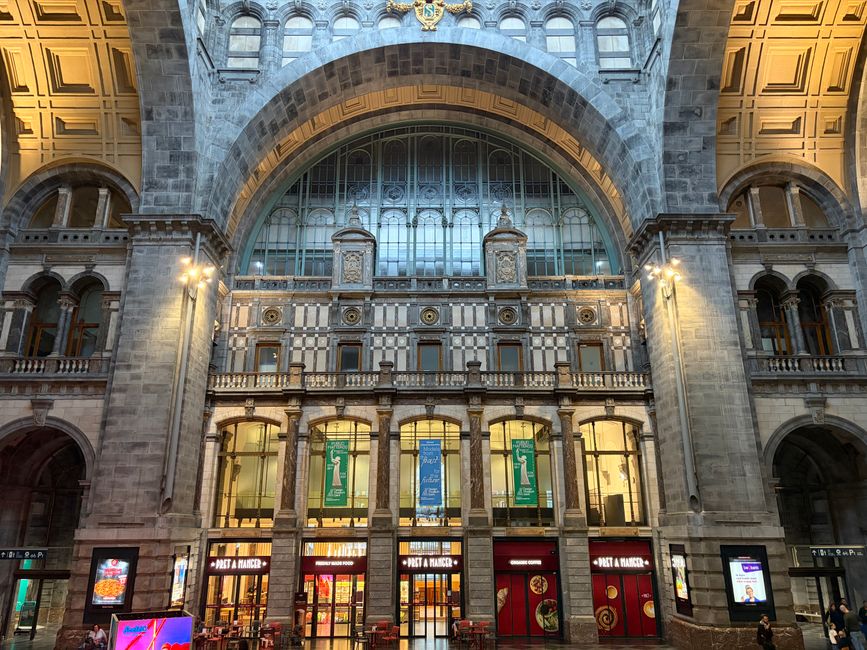
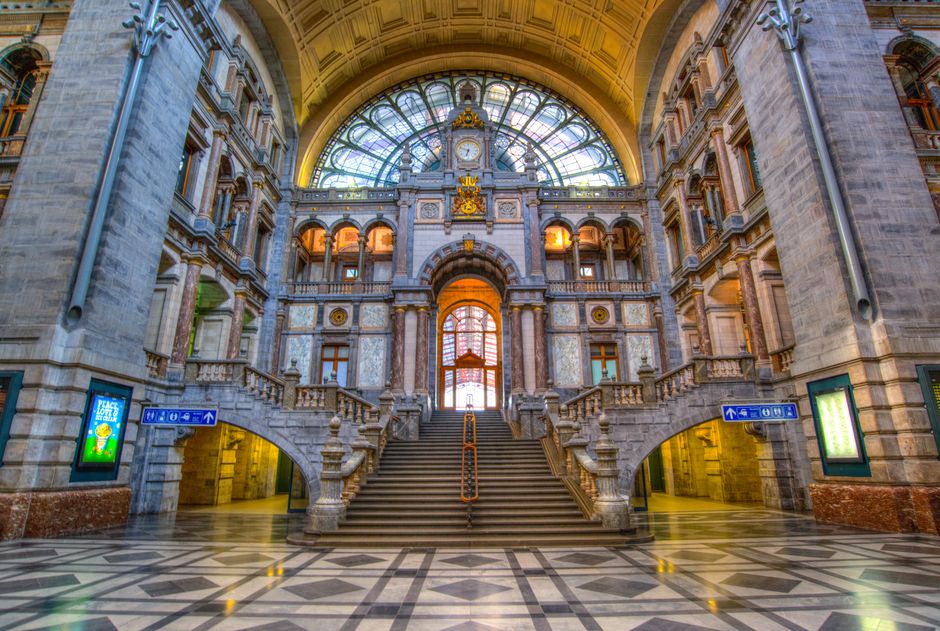
You cannot write about the luxury feeling Antwerp gives without mentioning diamonds, because for 500-plus years this city has cut and traded most of the world’s rough stones. The district sits right next to Centraal Station, which is itself a bonus attraction: a domed 1905 railway cathedral that Lonely Planet once called the most beautiful station in the world, and I agree.
Here is the practical part. The diamond quarter is not a tourist shopping mall. It is a working business district of guarded offices where deals worth millions happen before lunch. Walk in as a tourist and you will be politely ignored. If you actually want to buy, you go through appointment-based showrooms, some attached to the larger houses, some independent ateliers. Budget €2,000–€5,000 for a respectable solitaire, more obviously for bigger stones. The honest advice: only buy if you know exactly what you are doing or you have done your research on the four Cs first.
Shopping: fashion with a conscience
Antwerp gave the fashion world the Antwerp Six, the designer collective that put the city on the map in the late 1980s, and that legacy still pays dividends. Nationalestraat and Kloosterstraat are the streets to walk.
What makes shopping here feel expensive in a good way is the absence of chain-store noise. The flagships exist, but so do concept stores stocking single designers, and vintage shops where a 1970s leather coat might cost €300 and last you twenty years. If you visit in January or July, the sales season, discounts at the premium boutiers hit 30–50%. That is when I do my damage.
How much should you budget for a full luxury weekend?
Here is a realistic breakdown for two people, two nights, assuming you mix one splurge per category rather than splurging everywhere:
- Boutique hotel, two nights: €440–€700
- One fine-dining dinner plus two good lunches: €250–€380
- Museum entries, spa, and small indulgences: €100–€180
- Local transport, coffee, taxis: €50–€90
That lands somewhere around €850–€1,350 for a weekend that would feel like real luxury almost anywhere in Western Europe. My honest take: Antwerp delivers this at roughly 60–70% of what the identical trip costs in Paris. The €400–€500 you save can become a proper piece of jewelry, a cashmere coat on sale, or just money you keep.
When to go for the best atmosphere
September and October are the sweet spot. The summer crowds thin out, the light gets low and golden over the Scheldt, and the restaurant terraces on Grote Markt are still open. December works too if you like your luxury with a Christmas-market layer, though hotel rates jump 20–30% that month. Avoid mid-August, when half the serious kitchens close for holidays. I learned that the disappointing way, walking three streets for one closed restaurant after another.
Frequently asked questions
Is Antwerp expensive compared to other Belgian cities?
It is pricier than Ghent or Liège, but cheaper than Brussels at the luxury end. Boutique hotels and fine dining here run 10–20% under comparable Brussels options.
Can you experience luxury in Antwerp on a mid-range budget?
Yes, and this is the city’s real strength. Michelin-level lunches, the station architecture, museum districts, and window-shopping the diamond quarter all cost little or nothing. One splurge goes a long way.
Do I need a car?
No. Antwerp is compact and walkable, and the tram network covers everything else. A car would mostly cost you parking fees, around €3 per hour in the center.
The short takeaway
If you want the luxury feeling Antwerp does best, build the weekend around three things: one strong boutique hotel, one serious lunch instead of a mega dinner, and long slow walks between them. Spend selectively, walk everywhere, and let the city’s unbothered wealth do the rest of the work for you.