I’ve spent a fair amount of time digging into real estate in Iceland, and I’ll say this upfront: it’s a smaller market than most buyers expect, and that changes everything. There are roughly 150,000 registered properties in the entire country, fewer than you’d find in a mid-sized European city. So when a villa in Reykjavik’s Vogar district hits the market, there aren’t fifty comparable listings to benchmark against. There might be three. Maybe none.
That scarcity is exactly what makes it interesting for luxury buyers, and also what makes it easy to overpay if you go in blind. Here’s what I’ve learned about prices, neighborhoods, taxes, and the quirks of the system.
What does a luxury home in Iceland actually cost?
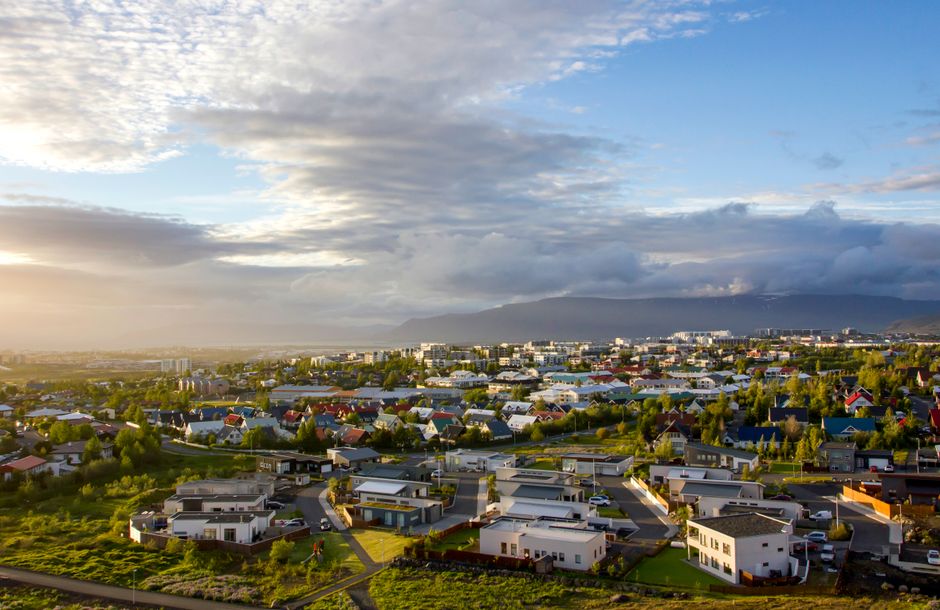
Let’s start with numbers, because that’s what everyone wants first. In central Reykjavik (postal codes 101 through 105), single-family homes now trade around ISK 1.1 to 1.5 million per square meter, which works out to roughly EUR 7,500 to 10,000 per square meter. A genuinely high-end house in the west side, say Vesturbær or a view property above the harbor, starts around ISK 300 million (about EUR 2 million) and climbs from there.
Outside the capital region, prices drop sharply but so does liquidity. You can find an exceptional waterfront home in Akureyri or a farmhouse with land i
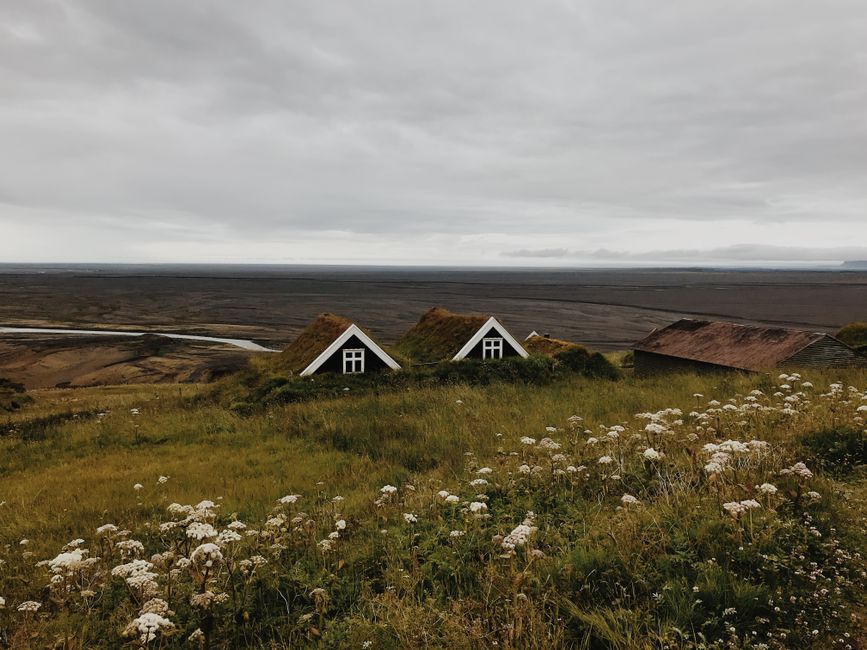 n South Iceland for ISK 150 to 250 million. The catch is resale. Rural luxury listings in Iceland can sit for two or three years waiting for the right buyer, while a prime Reykjavik address moves in weeks.
Which areas should luxury buyers focus on?
Every buyer I talk to asks about the same three places, so let me go through them honestly.
Vesturbær and the Old West Side
This is the classic choice. Tin roofs, corrugated iron painted in saturated colors, walkable to everything. Houses here are often 80 to 120 years old, beautifully renovated, and small by international luxury standards. 250 square meters is a big house in this neighborhood. Expect to compete with Icelandic families who have deep local roots and cash.
Vogar and Grafarvogur waterfront
Newer construction, larger floor plans, sea views across to Mount Esja. If you want a modern 400-square-meter home with a garage and actual closet space, this is where it exists. Prices run ISK 250 to 400 million for the best properties.
Outside the city: Garðabær and Kópavogur
These municipalities border Reykjavik and deliver more land for the money. Garðabær in particular has become the address for wealthy Icelandic families. Large lots, contemporary builds, and a 15-minute commute. A top-tier home here costs ISK 180 to 300 million.
Can foreigners buy property in Iceland?
Yes, and this surprises people. Citizens of EEA countries (the EU plus Norway, Liechtenstein, and Switzerland) face no restrictions at all. You buy what you want, where you want, including land and fishing rights.
Non-EEA citizens need permission from the Icelandic government, which sounds ominous but is mostly a formality for personal residences. What’s genuinely restricted is land with agricultural or fishing rights, and purchases near geothermal or energy sites. If you’re a US or UK buyer eyeing a private fishing river, expect real friction and a longer process, possibly 12 months.
One more thing: Iceland tightened rules after the 2008 crash, and there’s periodic political chatter about taxing foreign buyers more heavily. Nothing has passed, but it’s worth watching if you’re timing a purchase.
What are the hidden costs nobody mentions?
The sticker price is only the beginning. I’ve seen buyers get caught out by these repeatedly.
- Transfer tax (fasteignagjald): currently 1.6% of the purchase price for buyers, plus roughly 0.4% in registration fees. On an ISK 300 million home that’s about ISK 6 million before you’ve hung a picture.
- Agent fees: paid by the seller in Iceland, not the buyer, which is a pleasant change from most markets.
- Legal and conveyancing: ISK 300,000 to 600,000 for a standard transaction, more if there’s foreign money involved and anti-money-laundering checks get thorough.
- Property tax: municipal, capped at 0.25% of assessed value, which is genuinely low by European standards.
- Heating and maintenance: geothermal district heating keeps bills low in the capital area, maybe ISK 10,000 a month for a large house. But a rural property off the grid? Budget ISK 1 to 2 million a year for heat, snow clearance, and road access.
The heating point deserves emphasis. It’s the difference between a comfortable property and an expensive one, and listing photos never show it.
Is real estate in Iceland a good investment?
I have mixed feelings here, and I’d rather be honest than cheerful. On the plus side, Reykjavik prices have roughly doubled since 2010, and the krona’s volatility has actually helped foreign buyers recently, since local wages and thus mortgage capacity move with currency swings. Rental yields in central Reykjavik run 4.5 to 6%, respectable for a capital city, boosted by tourism demand for short-term lets.
On the minus side, it’s a country of about 400,000 people. There is no deep secondary market. If Iceland has a bad tourism year, or a couple of airlines cut routes, short-term rental income can drop 30% overnight. I watched it happen in 2010 after the eruption, and again partially in 2022 during the post-COVID repricing.
My honest take: buy because you want the life, not the yield. If the property works as a family base or a retreat you’ll use for decades, the numbers are fine. If you’re chasing pure return, Lisbon or Porto will beat Reykjavik on almost every metric.
How does the buying process work?
It’s faster and more standardized than you might expect. There’s no gazumping culture, and sales are handled through licensed brokers on platforms like Fasteignir and MBL’s real estate section. The whole thing from accepted offer to keys typically takes four to six weeks.
- Find a property (listings are almost all online, in Icelandic, so use translation tools or a local buyer’s agent).
- Make a written offer through the broker. Verbal offers count for nothing.
- Once accepted, sign a purchase agreement (kaupsamningur) with a two-week cooling-off period in most cases.
- Secure financing. Non-resident mortgages are rare; Icelandic banks lend conservatively, typically 60 to 70% LTV max, and many foreign buyers pay cash or refinance assets at home.
- Transfer funds, pay the transfer tax, register the title, and collect your keys.
A few things I wish someone had told me
Building quality varies enormously. Icelandic homes are built for weather, not for show, and an older house may have phenomenal bones with dated interiors. That’s an opportunity. What’s not an opportunity is a 2005-era build with a leaking flat roof, which is a common failure point in this climate. Get a surveyor, full stop. It costs ISK 150,000 to 250,000 and I’ve never seen one not pay for itself.
Also, daylight. If you view a property in June, remember you’re seeing it under 21 hours of light. The same house in December gets four. South-facing orientation matters more here than in almost any market I can think of.
And finally, the market moves seasonally in a way that helps patient buyers. Almost nothing lists from mid-December through January, and summer brings a flood of listings alongside the tourists. If you can make an offer in late October, you’re often the only serious party at the table.
The short version: real estate in Iceland rewards buyers who do their homework and punishes the ones who fall in love with the landscape alone. Get a local lawyer, check the heating source, and budget the full 2% in transaction costs. Do that, and a house by the North Atlantic is one of the more rewarding purchases you’ll ever make.