I’ll admit something up front: I ignored Cottage Grove for years. Everyone in Oregon talks about Bend, Ashland, or the Portland suburbs, and I figured the small towns along Highway 99 were just that, small towns. Then a client asked me to scout lakefront properties under $1.2 million, and I spent a week driving around Cottage Grove. Real estate in Cottage Grove Oregon quietly outperforms most of what people pay double for elsewhere in Lane County, and I want to explain why, with numbers, because the vibe alone won’t help you make a decision.
Where Exactly Is Cottage Grove and Why Does It Matter?
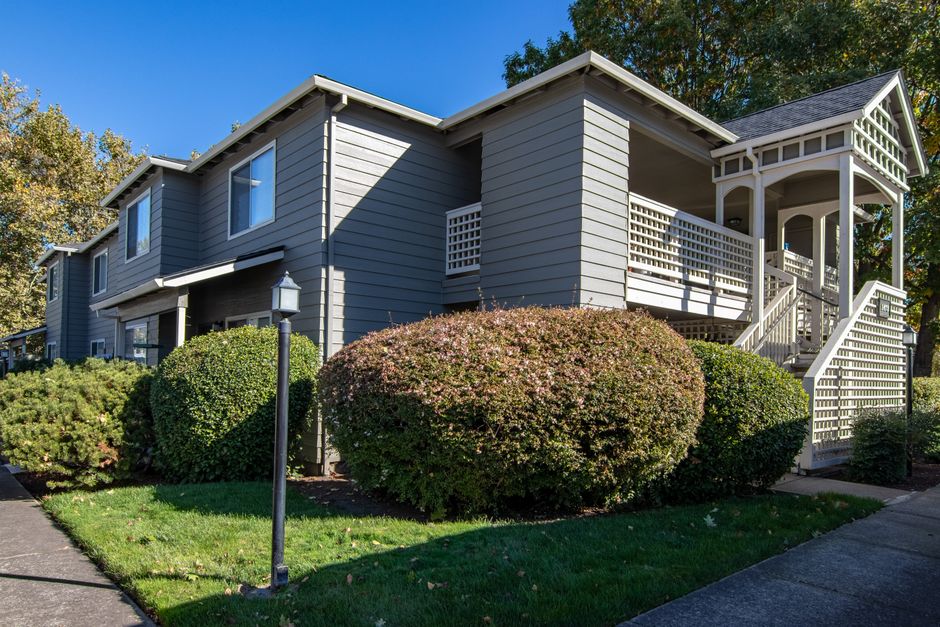
The town sits about 20 miles south of Eugene, roughly 30 minutes down I-5 if traffic behaves. That’s the whole pitch, honestly. You get rural privacy, two lakes, and covered bridges, while still being close enough to Eugene for airport access, hospitals, and Saturday errands. Portland is a two-and-a-half-hour drive north. For buyers relocating from California or, in my experience, quite a few Swedish and European buyers used to lakehouse culture, the setup feels familiar: a modest town of around 10,500 people wrapped around water and forest.
What surprised me was the geography. There are two reservoirs, Dorena Lake to the east and Cottage Grove Lake to the south, plus the Coast Fork Wi
 llamette River running through town. So the luxury market here isn’t one thing. It’s lakefront, it’s riverfront, and it’s acreage in the hills with territorial views. Three different products, three different price bands.
What Do Homes Actually Cost in Cottage Grove?
Let’s get concrete. As of late 2024, the median sale price in Cottage Grove hovered around $390,000 to $410,000, depending on the month you check. Compare that to Eugene at roughly $475,000 and Bend well past $600,000. The gap widens at the top of the market, which is where it gets interesting for luxury buyers.
| Property type | Typical price range | Notes |
|---|---|---|
| Move-in-ready 3 bed, 2 bath in town | $350,000 – $450,000 | 1970s–90s builds, larger lots than Eugene |
| Dorena Lake lakefront | $750,000 – $1.4M | Scarce inventory, Corp of Engineers land borders many lots |
| Cottage Grove Lake frontage | $600,000 – $1.1M | Quieter than Dorena, more trees, less boat traffic |
| 10+ acre hillside estates | $800,000 – $1.6M | Views, wells, septic, gravel roads |
| New construction luxury | $900,000+ | Custom builds, still rare here |
Here’s the part most agents won’t say out loud: at $1 million in Cottage Grove you’re buying a genuinely premium property, often with water or serious acreage. The same budget in Bend gets you a nice house on a standard lot in a subdivision. Whether that trade is worth it depends entirely on what you want your mornings to look like.
Which Neighborhoods and Areas Should Luxury Buyers Look At?
The town doesn’t have formally gated luxury enclaves the way Sunriver or Lake Oswego do. Instead, value clusters around specific pockets, and knowing them saves you months of scrolling.
- Dorena Lake shoreline and Culp Creek Road: the closest thing to a premier address. Lake access, tall firs, and homes that rarely hit the market. When a good one lists, it moves in under three weeks.
- London Road / Cottage Grove Lake area: more relaxed, family-lake energy. Waterfront homes on the east side get morning sun, which matters more than you’d think in western Oregon.
- Bohemia Mountain / Layng Creek corridor: acreage, privacy, and old mining-road charm. Great if you want horses or just don’t want to see neighbors.
- Historic downtown edge: a handful of restored Craftsman and early-1900s homes within walking distance of Main Street. Small inventory, but character you can’t build new.
One caution on Dorena and Cottage Grove Lakes: both are Army Corps reservoirs, so the land behind many properties is federal and can’t be developed. That’s why the shoreline stays green and uncrowded, which I consider a feature. But you also can’t assume a vacant adjacent lot will stay vacant or be yours to use. Read the boundary surveys carefully.
What Are the Trade-offs Nobody Mentions?
I like this town, and I’ll still give you the honest version. Inventory is thin. In a given quarter you might see only 60 to 90 active listings across the entire zip code, and true lakefront homes might number in the single digits. Patience isn’t optional here, it’s the strategy.
Services are limited too. There’s a good hospital, Mercy Medical Center, but specialty care means driving to Eugene. Dining has improved (the 5th Street Public Market crowd would still turn their noses up, fine), and winters are wet, gray, and long. Roughly 45 inches of rain per year, mostly between November and March. If you’re moving from a Mediterranean or Nordic climate, that adjustment is real. My Scandinavian clients, funny enough, adapt faster than the Californians do.
Property taxes help offset the mood, though. Lane County effective rates run near 0.9% to 1.0% of assessed value, and Oregon has no state sales tax, which matters if you’re furnishing a $900,000 home from scratch.
How Do You Actually Buy Well Here?
After a few transactions in the area, I’ve landed on a short playbook:
- Get pre-approved or proof of funds before you tour anything. Sellers here are suspicious of Portland-area tire-kickers.
- Set a standing search, not just Zillow alerts, with a local broker, since some lakefront sales happen quietly before listing.
- Inspect wells and septic systems without exception. Rural luxury properties out here are almost never on city utilities.
- Check floodplain maps. Riverfront and reservoir-adjacent parcels sometimes sit in FEMA zones that complicate insurance.
- Visit in February before you buy. If you love it in the grayest month, you’ll love it year-round.
Is Cottage Grove a Good Investment or Just a Lifestyle Play?
Both, honestly, but with a caveat. Appreciation here has historically lagged Bend and Eugene, simply because demand was lower. Over the past five years, though, values climbed around 45%, and the pandemic-era influx of remote workers permanently reset the floor. Short-term rental rules are also friendlier than in Eugene, so lakefront homes with legal STR income can pencil out at gross yields near 6% to 8% in summer-heavy booking patterns.
I wouldn’t buy here purely for numbers. I’d buy because you want the life, and the numbers happen to be reasonable. That order of operations tends to end well in small Oregon towns.
FAQ: Quick Answers From Buyers I’ve Worked With
Can non-US residents buy property in Cottage Grove?
Yes. Foreign buyers, including Swedish and other European nationals, can purchase freely. Expect a slightly longer mortgage process and a 15% withholding consideration under FIRPTA when you eventually sell.
What’s the commute to Eugene really like?
25 to 35 minutes to downtown Eugene, a bit more to the University of Oregon. I-5 is the only realistic route, so a crash or ice storm can stretch it, but day to day it’s an easy drive.
Are there any true luxury new builds?
A few, mostly custom hillside homes east of town. The market skews toward renovated 1980s–2000s lake houses, so set your expectations around remodeling budgets of $100,000 to $300,000 if you want a modern finish level.
The Takeaway
If your budget is $700,000 to $1.5 million and your priorities are water, acreage, and privacy within half an hour of a real city, Cottage Grove deserves a shortlist spot. Move fast when lakefront inventory appears, budget for well and septic diligence, and go see it in person during the wet season before you commit. That single habit separates the buyers who thrive here from the ones who leave after two winters.