I have spent more hours than I would like to admit in premium cabins, and I can tell you one thing upfront: a luxury fligh experience is not always worth the ticket price. Sometimes you pay 4,000 euros for a seat that is basically business class with a door. Other times you pay 900 euros more than economy and get the best night of sleep you have had all year. The difference is knowing what you are actually buying.
This guide breaks down the main options, from first class suites on Emirates and Singapore Airlines to semi-private services like La Compagnie, and it includes the real numbers you will see at checkout. I also cover the Norwegian angle, because if you are flying out of Oslo Gardermoen, your choices look a bit different than if you live near Frankfurt or Dubai.
What does a luxury fligh actually cost in 2025?
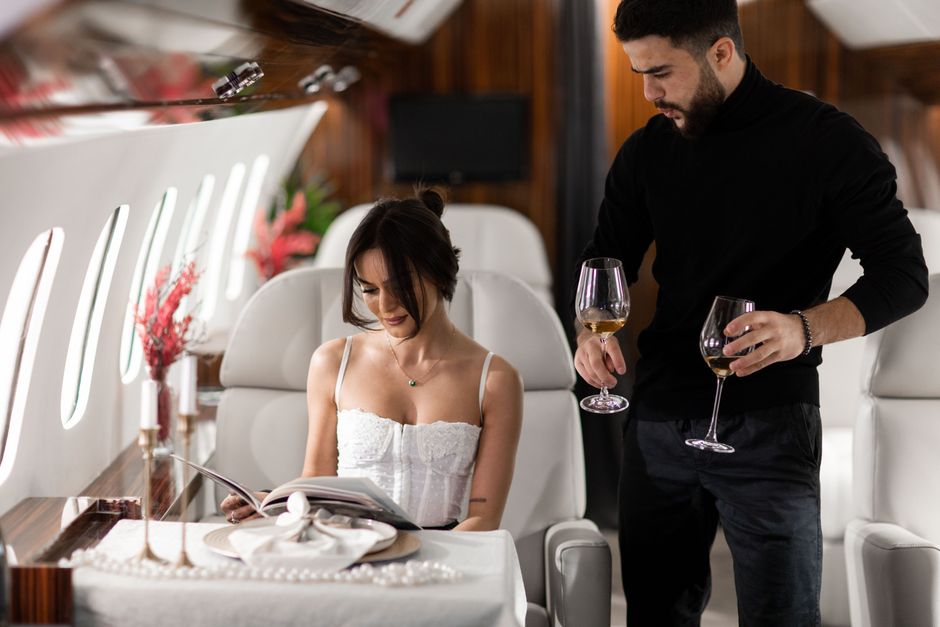
Let us start with prices, because vague marketing never helps anyone. Here are rough figures based on fares I have tracked over the last few months on long-haul routes from Europe:
| Cabin / service | Typical round-trip price (Europe to Asia or US) | What you get |
|---|---|---|
| Premium economy | 1,200,2,500 EUR | Wider seat, better recline, 2 euros worth of extra legroom |
| Business class | 2,500,4,500 EUR | Lie-flat seat, lounge access, priority everything |
| First class | 5,000,12,000 EUR | Suite with door, onboard shower (Emirates A380), chauffeur service |
| Semi-private (La Compagnie) | 1,900,3,200 EUR | All-business 767, lie-flat seats, no first class frills |
| Private jet charter | 15,000,80,000 EUR | Your schedule, your airport, your catering |
Notice the private jet range. That is not a typo. A light jet like a Phenom 300 from Oslo to London might run 15,000 to 20,000 euros one way, while a heavy jet
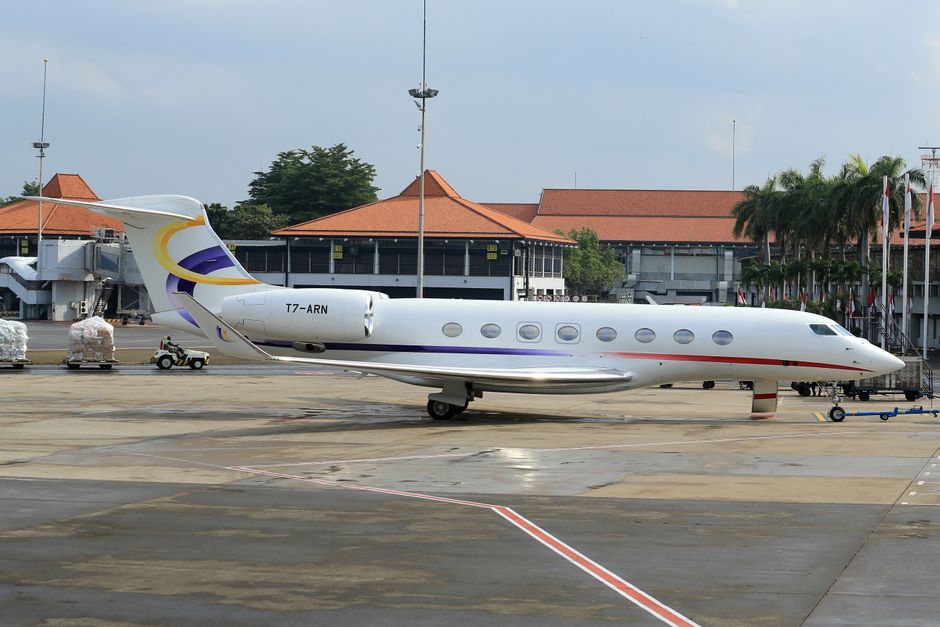 across the Atlantic starts around 60,000. There is a reason most people who fly private do not own the plane, they buy jet cards or fractional shares instead.
Is first class really different from business class anymore?
Honestly, less than it used to be, and the airlines know it. Qatar Airways dropped first class entirely years ago and put everything into Qsuite, which many travelers (myself included) rate above some competitors’ first class. The doors on modern business seats closed most of the privacy gap.
Still, true first class exists, and when it is good, it is very good. The Emirates A380 shower spa is still the single most memorable thing in commercial aviation, even if you get exactly five minutes of water. Singapore Airlines’ new First Class Suites on the 777-9, when they finally roll out fleet-wide, offer a 1.5-meter bed and a separate chair, so you do not have to eat dinner sitting on your mattress. That detail sounds minor until you have eaten a steak sideways at 35,000 feet.
My rule of thumb: if the first class cabin has fewer than 8 seats and the airline still employs a dedicated first class crew, it is probably the real thing. If it is a 14-seat cabin on a 777, you are mostly paying for a wider seat and a better wine list.
Which airlines offer the best luxury fligh experience from Norway?
Oslo does not have the premium traffic of London or Paris, so the strategy matters. SAS flys direct from Oslo to New York and Newark in business class (SAS Business on the A330neo), and it is a solid, understated product. Not flashy. The seat is a staggered lie-flat, the lounge in Oslo is calm, and the crew is genuinely professional.
For something more indulgent, you usually connect:
- Emirates via Dubai for the A380 experience, including the shower and onboard lounge. Oslo has a daily Emirates A380, which is unusually good luck for a city this size.
- Qatar Airways via Doha, with Qsuite, still my pick for the best business class hard product anywhere.
- Lufthansa via Frankfurt or Munich. The Allegris first class is finally arriving, and the new suites are a real step up from the old first class, which frankly needed it.
- Singapore Airlines via Copenhagen, Stockholm or Frankfurt. A longer route, but the service level is on another planet.
- ANA or Japan Airlines if you are heading to Asia. Japanese carriers quietly do luxury better than almost anyone, without the marketing noise.
The Emirates A380 out of Oslo deserves a special mention. You can board at Gardermoen, walk past 415 economy seats, and sit in a closed suite with a bar at the back of the upper deck. The fare premium over business is usually 1,500 to 3,000 euros each way, which is steep, but for a honeymoon or a milestone trip, it is hard to beat the theater of it.
When is a luxury fligh worth the money, and when is it not?
Worth it
- Overnight flights of 8+ hours, where a flat bed means you land functional instead of wrecked.
- Work trips where you need to perform the day you land. A client dinner after a 12-hour red-eye in economy is a gamble.
- Awards redemptions. First class on points is one of the few luxury purchases that genuinely feels free. 70,000 SAS EuroBonus points plus taxes can put you in business across the Atlantic, which is absurd value.
- Trips that are the point, not the transport. If the holiday is two weeks in the Maldives, the flight is part of the holiday.
Skip it
- Daytime flights under 6 hours. You are paying for sleep infrastructure you cannot use.
- Old-generation business seats. Some airlines still fly angled lie-flat seats marketed as flat. Check SeatGuru or the airline’s actual seat map before paying.
- Families with small kids in first class. It is a lot of money for a cabin where everyone can hear everything, and you will be tense the whole flight. Sorry, but true.
Private jets: how people actually afford them
Almost nobody pays full charter price every time. The real market works in tiers:
- Seat booking (100,600 EUR per seat): apps like JetClass or JSX sell individual seats on semi-private routes. JSX, for example, flies 30-seat regional jets with lounge access and free drinks for prices comparable to business class on the same route in the US.
- Jet cards (25-hour blocks, roughly 150,000,250,000 EUR): guaranteed availability, fixed hourly rates, no ownership headaches.
- Fractional ownership (1/16th of a jet, from about 400,000 EUR plus monthly fees): for people flying 50+ hours a year.
- Full ownership: 5 to 75 million euros for the aircraft, then 700,000 to 2 million a year to operate it. This is the 0.1 percent option.
For most readers, the interesting entry point is empty legs. When a charter jet flies home empty after dropping passengers, operators sell that leg at 30 to 60 percent off. Oslo to Geneva on an empty leg can drop to 3,000 to 5,000 euros for the whole aircraft, which split four ways is suddenly competitive with last-minute business class. The catch is rigidity: you fly when the jet flies, and cancellations happen.
How to book smart and pay less than the sticker price
Full-fare premium tickets are for corporate accounts. Everyone else should be working the system a little:
- Book points, not cash, where possible. EuroBonus, Amex Membership Rewards and Avios all transfer into premium cabins. A round-trip business redemption Oslo to Bangkok can cost 90,000 points versus 3,500 euros in cash.
- Fly one way premium, one way economy. On a short outbound and a long overnight return, this halves the cost and puts the flat bed exactly where it matters.
- Watch for premium cabin sales. Qatar and Turkish run genuine business class sales a couple of times a year, with round trips from Europe to Asia under 2,000 euros.
- Use a positioning flight. Sometimes Oslo to Bangkok in first is 2,000 euros more if you start in Stockholm. A 60-euro hop to ARN first is not glamorous, but it works.
One more thing: upgrade bidding. Many carriers let you bid for unsold premium seats 48 to 72 hours before departure. A winning bid on Oslo to New York is often 400 to 700 euros for business. It is a lottery, but the odds are better than people think in low season, especially January and February.
Common questions about luxury flights
Do you get better air quality in first class?
Marginal difference at best. Cabin air is shared per air conditioning zone, so a fresh-air feeling in premium cabins is mostly fewer people, not different air. The real health win is sleep and fewer neighbors.
Is premium economy worth it as a middle option?
On overnight flights, yes, often more than business. A good premium economy seat (Air France, Virgin Atlantic, EVA Air) costs 2 to 3 times economy and gives you 90 percent of the comfort value. Business costs 5 to 8 times economy and gives you the rest.
Are airport chauffeur services included?
Usually in first class, rarely in business. Emirates includes it in first on many routes, and Lufthansa offers a paid transfer option. Do not assume, check the fare details.
The short version
If you remember one thing from this guide, make it this: pay for the flat bed on the long overnight leg, use points when you can, and skip first class unless the cabin is small and the occasion is big. That approach gets you most of the luxury for a third of the price, which is, frankly, the only kind of luxury worth repeating.