Most people searching for real estate in Curaçao for sale fall into one of two camps: Dutch buyers planning their escape from another grey winter, or international investors chasing Caribbean rental income. I have made three trips to the island between 2021 and 2024, one of them house hunting with my sister, and I can tell you the market is friendlier than St. Barts and considerably cheaper than St. Maarten. Entry-level apartments in Saliña start around ANG 180,000 (about USD 100,000), while beachfront villas on Spanish Water run past USD 2.5 million. Here is what I wish someone had told us before we started browsing.
Why Dutch buyers feel at home here
Curaçao is a country within the Kingdom of the Netherlands, and that changes the practical side of buying more than you would expect. Notaries work in the Dutch civil-law tradition, the Kadaster land registry is modeled on the Dutch system, and purchase agreements are frequently bilingual. Dutch nationals need no visa, KLM and TUI fly direct from Schiphol in roughly ten hours, and a large share of the population speaks Dutch alongside Papiamento, English and Spanish.
That familiarity shapes the market. Local agents say Dutch and Dutch-Caribbean buyers account for the majority of foreign purchases, and the listings reflect it. Sizes appear in square meters, and prices are quoted in ANG (the guilder, pegged at about 1.79 to the US
 dollar) as often as in dollars. My advice: convert everything to one currency before comparing, because mixing the two will quietly distort your budget by 40 percent.
What real estate in Curaçao for sale actually costs by area
Prices vary enormously depending on which side of the island you land on. The southeast coast near Jan Thiel commands resort premiums. The old town offers renovation projects at prices that look almost Dutch, though the work rarely is cheap. The western end trades tourist buzz for space and better value.
| Area | What you will find | Typical price range |
|---|---|---|
| Jan Thiel / Banda Bou south | Villas, hilltop homes, resort-adjacent lots | USD 450,000 to 2,500,000+ |
| Pietermaai (Willemstad) | Restored colonial town houses, walk to bars and beaches | USD 250,000 to 600,000 |
| Saliña, Groot Kwartier, Van Engelen | Family homes, apartments, quieter residential streets | ANG 180,000 to 700,000 |
| Punda and Otrobanda | Colonial fixer-uppers, mixed commercial and residential | USD 150,000 to 450,000 |
| Westpunt, Porto Mari, San Pedro | Larger plots, dive-coast quiet, longer drives to town | USD 200,000 to 800,000 |
Treat these as orientation, not gospel. A dated 1990s villa in Jan Thiel can list below a fully rebuilt Pietermaai townhouse, and condition swings price more than location in half the listings I compared.
The neighborhoods worth a shortlist
Jan Thiel
The default answer for luxury buyers. You get hilltop views over Spanish Water, access to beaches like Caracas Bay and Jan Thiel Bay, and a dense cluster of restaurants and beach clubs within a five minute drive. The downside is traffic on weekends and a premium that has grown steadily since 2019. If your budget starts at USD 600,000, this is where I would look first.
Pietermaai
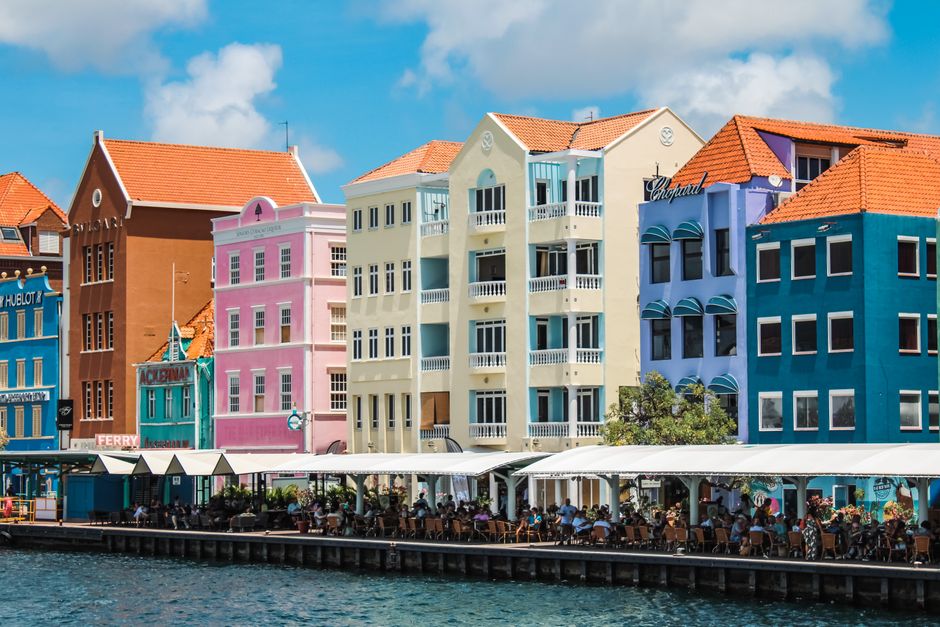
The old seaside neighborhood behind Punda, full of restored merchant houses in ochre and blue. I love it, honestly. You can walk to Mambo Beach in one direction and to Plaza Punda in the other. Noise and parking are the complaints you hear from residents, and terraces can be tiny, so check the floor plans rather than the photos.
The west side
Westpunt, Porto Mari and the villages around Christoffelpark offer the largest plots and the island’s best diving. Prices per square meter drop sharply. The trade-off is a 45 minute drive to Willemstad and thinner rental demand in low season, which matters if income is your goal rather than peace and quiet.
Where to browse real estate in Curaçao for sale online
You will not find one dominant marketplace, and that surprised me. Instead the inventory sits with a handful of brokerages, each with a decent website:
- Coldwell Banker Curaçao, strong on the mid-market and residential listings
- Century 21 Curaçao, one of the larger inventories on the island
- Curaçao Sotheby’s International Realty, the go-to for villas above USD 1 million
- Pararius Curaçao, useful for rentals if you want to test a neighborhood before buying
- Facebook groups like Curaçao real estate and housing, messy but occasionally listing homes that never reach the agency sites
Set alerts on the agency sites rather than refreshing them. Inventory moves in waves, and the genuinely good properties under USD 400,000 tend to sell within weeks, often to buyers who saw them first through a broker’s mailing list.
The buyer costs nobody puts in the listing
Budget for closing costs on top of the asking price. The headline items:
- Property transfer tax, around 3 percent of the purchase value (confirm the current rate with your notary, it has changed before)
- Notary fees, typically 0.8 to 1.5 percent depending on complexity
- Optional structural inspection, roughly USD 500 to 900, and worth it on anything older than 15 years
- Translation and registration costs at the Kadaster, usually a few hundred dollars
- Insurance and any homeowners association fees for gated or resort zones, which can run USD 200 to 500 per month in places like Jan Thiel
On a USD 500,000 villa, expect roughly USD 18,000 to 25,000 in total transaction costs. Not small, but far lighter than the 10 percent round figure buyers face in some other Caribbean jurisdictions.
From offer to keys: how a purchase actually runs
- Find the property, negotiate directly through the selling broker, and agree a price in writing.
- Engage a local notary. Every transfer of ownership legally requires one, and they are neutral parties rather than buyer advocates.
- The notary drafts a preliminary deed of sale, usually with a 10 percent deposit and a closing date eight to twelve weeks out.
- Due diligence happens in that window: Kadaster extract, verification that no liens or unpaid ground lease sit on the title, and checks on municipal arrears.
- Final deed of delivery is signed, transfer tax is paid, and the title is registered. Keys change hands the same day in most transactions.
Foreigners can buy freehold property in their own name with no residency requirement, and you do not need a local company to hold title. Many buyers still use one for rental and liability reasons, but that is a tax conversation, not a legal obligation.
Frequently asked questions
Can I get a mortgage as a Dutch buyer?
Yes, though not on Dutch terms. Banks like Maduro and Curiel’s Bank lend to non-resident buyers at loan-to-value ratios around 60 to 70 percent, with rates higher than you would pay in the Netherlands. Cash purchases dominate the upper end of the market.
Is rental income realistic?
In the tourist zones, yes. Well-managed villas in Jan Thiel and Pietermaai report gross occupancy above 60 percent with nightly rates of USD 200 to 450. Management companies charge 20 to 30 percent, so model net, not gross. My own rough rule: only buy for rental income if it still works at 50 percent occupancy.
Are old colonial houses a bargain?
Sometimes, and sometimes a trap. Renovation costs are high (materials are imported) and heritage rules in central Willemstad can restrict exterior changes. Pietermaai has proved that a well-restored townhouse resells at a strong premium, so the upside is real for patient buyers.
One last practical tip from someone who watched a deal nearly collapse: before you book a viewing trip, shortlist six to eight properties across at least two areas, and ask each broker for the Kadaster extract in advance. A week on the island, a rental car and a healthy skepticism about polished listing photos will save you more money than any negotiation tactic. And if the sea view is the reason you are buying, view the property in the afternoon, when the trade wind shifts and you find out what the cruise ships sound like.