I have walked the Altstadt at 7 a.m. in January, when the snow is still untouched on the Domplatz and the only sound is a bakery opening somewhere behind a Baroque facade. That is when you understand why real estate in Salzburg Austria holds its value the way it does. This city of roughly 155,000 people punches far above its weight, and international buyers noticed a long time ago. Prices here now sit comfortably above Vienna’s in several segments, which still surprises people when I mention it.
Why does this small city cost so much?
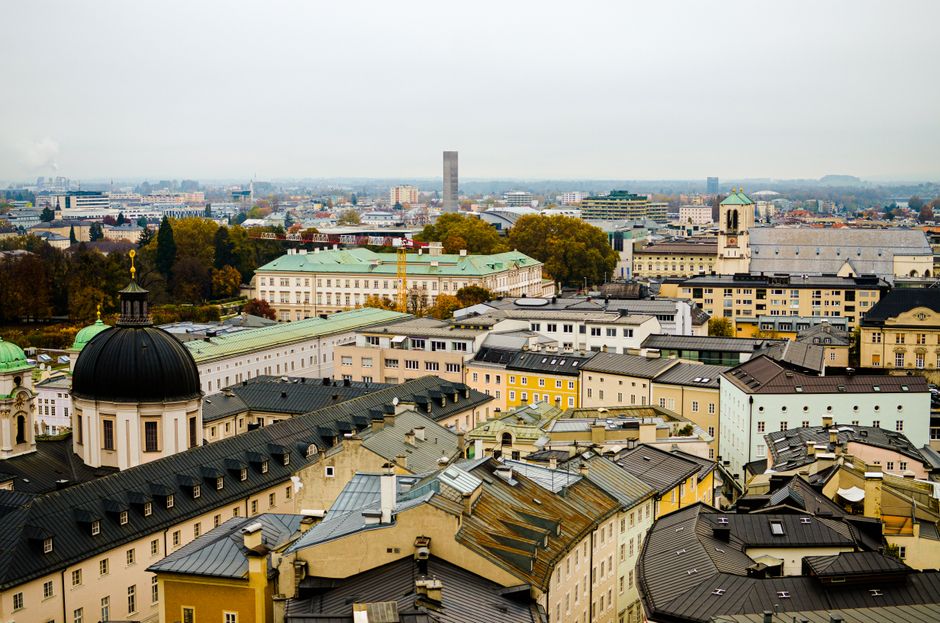
Three reasons, and they compound each other. First, supply. Salzburg is squeezed between the Mönchsberg, the Kapuzinerberg, and the Salzach river. There is almost no room to build out, and the UNESCO protected core forbids anything that changes the skyline. Second, demand. German retirees, Viennese weekenders, and a steady stream of international clients who want a Sound of Music-adjacent address. Third, income. Salzburg is one of Austria’s wealthiest regions per capita, and locals compete in the same small market you would be entering.
The result is predictable. Decent apartments in ce
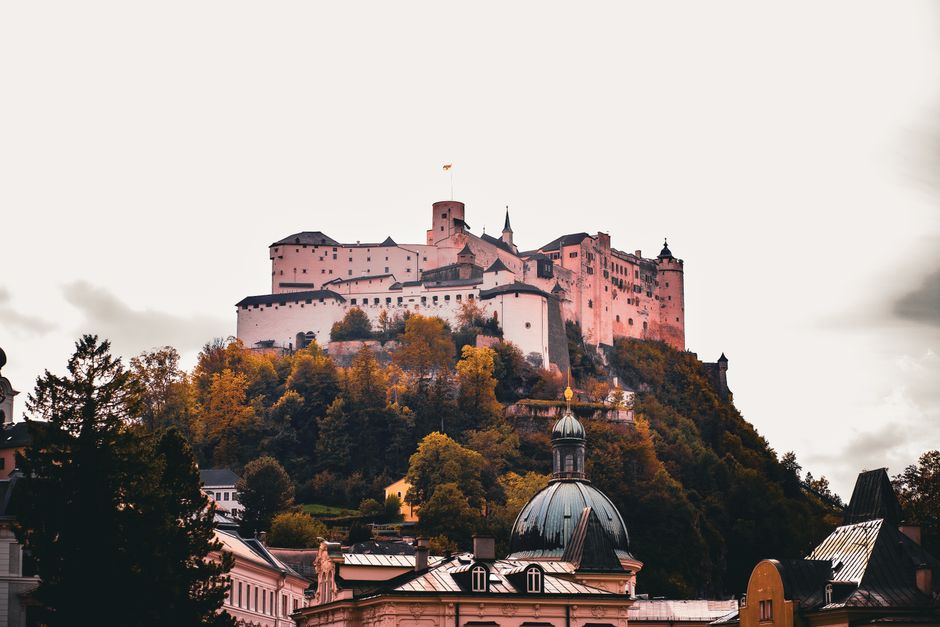 ntral districts trade at €7,000 to €9,000 per square meter, and the best streets push past €12,000. Compare that with Graz at around €3,500 and you see the gap.
What does real estate in Salzburg Austria cost, district by district?
Prices moved up another 4 to 6 percent through 2024, according to the regional ImmoScout and ORF reporting, and inventory stayed thin. Here is the honest picture of where your money goes.
| District | Price per m² (2025) | Who buys there |
|---|---|---|
| Altstadt (Old Town) | €10,000 – €14,000+ | Collectors, rarely available |
| Nonntal / Inneres Nonntal | €7,500 – €9,500 | Professionals, families |
| Aigen | €8,000 – €12,000 | Villa buyers, old money |
| Leopoldskron | €8,500 – €11,000 | International clients |
| Parsch | €6,500 – €8,000 | Doctors, lawyers, locals |
| Itzling / Gnigl | €5,000 – €6,500 | First-time buyers, rentals |
Aigen deserves a comment, because it is where most luxury inquiries land. Wide streets, mature gardens, villas from the 1900s through the 1930s, and walkable access to the Salzach. A renovated villa there runs €2.5 million to €6 million depending on lot size. The Leopoldskron side, near the famous palace and the lake, attracts the same money but with more privacy. Nonntal is the quieter value play, five minutes on foot from the cathedral but priced like a mid-tier Vienna district. That is the one I would personally watch.
Should you look at the lake district instead?
Many of my favorite Salzburg-area listings are not in the city at all. Fuschl am See, St. Gilgen, and the Attersee villages sit 30 to 50 minutes out by car, and this is classic Austrian lakefront territory. Think €1.5 million to €8 million for waterfront houses, with the occasional Schloss-adjacent estate above that when it comes up. The trade-off is real. You gain water, silence, and plots measured in thousands of square meters. You give up the city’s restaurants, the festival, and the walkability that made Salzburg famous in the first place.
My take: buy in the city if you want year-round living, buy at the lake if the property is a second or third home. Mixing the two usually means compromising on both.
What are the hidden costs when buying?
Buyers from the US and UK are always shocked by how much sits on top of the purchase price. Budget these numbers into your plan from day one, because they are not negotiable.
- Property transfer tax (Grunderwerbsteuer): 3.5 percent of the purchase price.
- Land register registration: 1.1 percent, capped at a low ceiling for expensive properties.
- Agent commission: typically 3 percent plus VAT in Salzburg, paid by the buyer.
- Notary or lawyer: €1,500 to €3,000 for contract drafting and due diligence.
- Annual property tax (Grundsteuer): genuinely small, usually a few hundred euros on an apartment.
Add it up and the transaction costs sit around 7 to 8 percent. On a €1 million apartment, that is €70,000 to €80,000 before you furnish a single room. Plan for it.
Can foreigners actually buy here?
Yes, and this question comes up in nearly every first conversation. EU and EEA citizens buy freely, same as Austrians. Non-EU buyers, including Brits post-Brexit and Americans, need approval from the provincial transfer authority (Grundverkehrskommission) in Salzburg. In practice, approvals for personal-use homes are common, but the process adds two to four months and the authority does reject pure investment plays with no local connection. If you are non-EU and buying through an Austrian GmbH, that route has been tightened repeatedly since 2019. Get a local lawyer before you fall in love with a listing, not after.
Is renting out a Salzburg property worth it?
Short answer: only if you enjoy paperwork. Salzburg city has strict rules on short-term rentals, and the classic festival-week goldmine (those three weeks in late July and August when hotel rates triple) is legally complicated for private apartments. Many owners do it anyway through quiet arrangements, and enforcement is patchy, but I would not build an investment case on something that could end with a fine.
Long-term rental is a different story. Rents in the good central districts run €16 to €22 per square meter, which on a €8,000-per-square-meter purchase price means a gross yield around 2.5 to 3 percent. Low, frankly. Nobody buys real estate in Salzburg Austria for yield. They buy it because the city has almost never gone down in value over any ten-year window in the past four decades, and because living here is genuinely that pleasant.
Frequently asked questions
What is the minimum realistic budget?
Around €450,000 to €500,000 for a small two-room apartment in Itzling or Gnigl, in good condition. Below that you are buying renovation projects or places with building defects.
Old building or new build?
Old buildings (Altbau) in Nonntal and Parsch give you ceilings, doors, and character that no developer can fake. New builds near the station give you parking, elevators, and energy ratings. Luxury buyers overwhelmingly choose Altbau and pay for the retrofit.
When is the best time to buy?
November through February. The market empties out during Advent chaos and ski season, and sellers get realistic. Spring brings the tourist crowds and the competition back.
The takeaway
If you want a Salzburg address in 2025, expect €7,000 to €9,000 per square meter for anything central and decent, €8 million for the top lake villas, and about 8 percent in transaction costs on top. Tour the city between November and February, bring a German-speaking lawyer, and look hardest at Nonntal and Aigen before the next wave of buyers does. The good stuff in this town rarely sits on the market for more than a month.